
Natural Soap Benefits
There is something beautifully simple about a bar of handmade soap. Made with carefully selected oils, butters, and other skin-loving ingredients, natural soap brings cleansing back to its roots.
At SheaLife, we believe everyday products can be both effective and thoughtfully made. Soap is something most of us use every single day, often without thinking much about what goes into it or how it is produced.
But not every bar is made in the same way.
From naturally occurring glycerin to nourishing plant oils and rich butters, traditional soapmaking creates a product that cleanses while retaining many of the qualities of its carefully chosen ingredients.
So, what are the real natural soap benefits, and why might you choose a handmade bar for your everyday routine?
What Is Natural Soap?
Natural soap is traditionally created through a process called saponification. Oils and fats are combined with an alkali, triggering a chemical reaction that transforms them into soap and naturally occurring glycerin. The finished soap is very different from the ingredients used to begin the process.
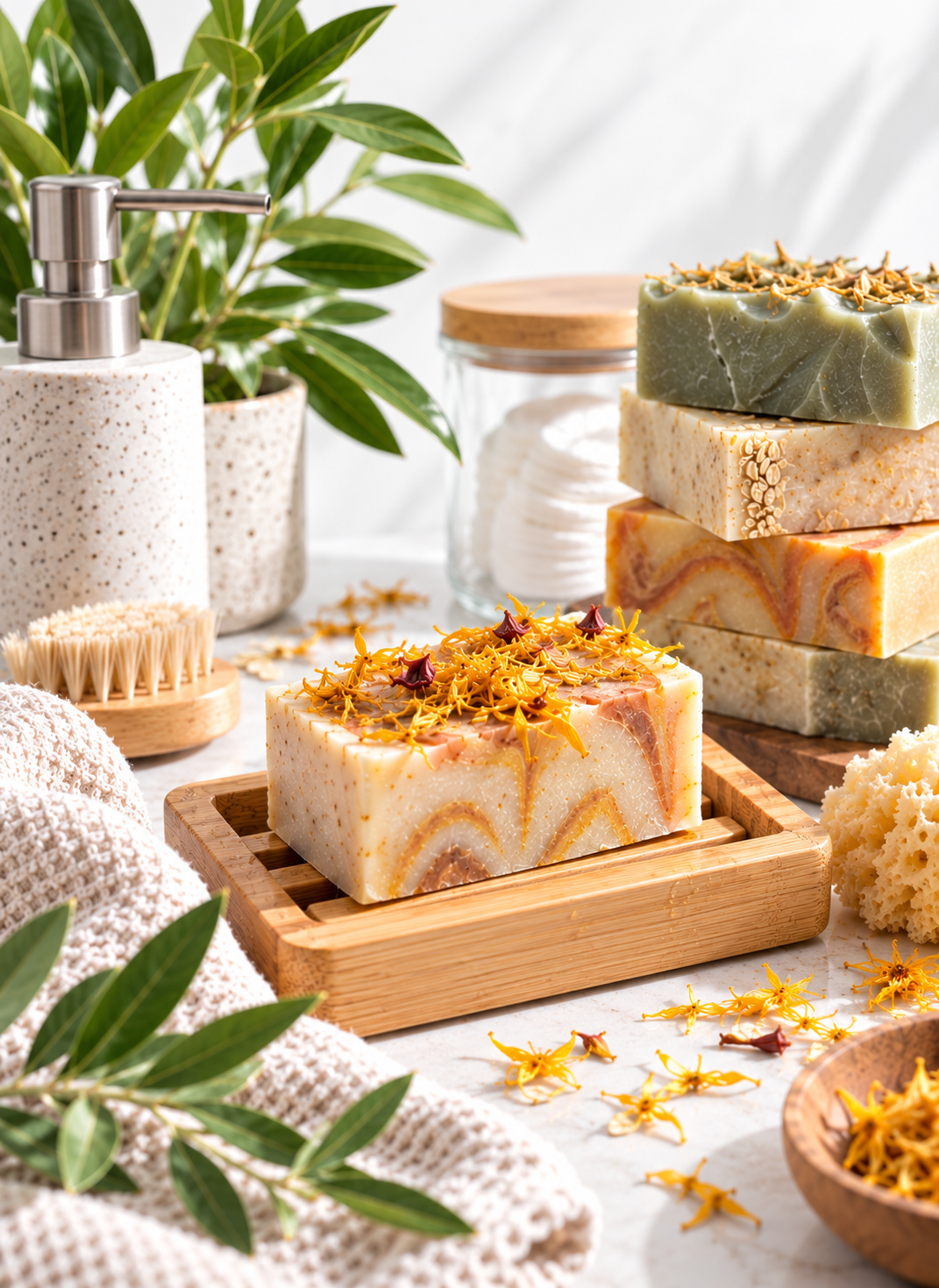
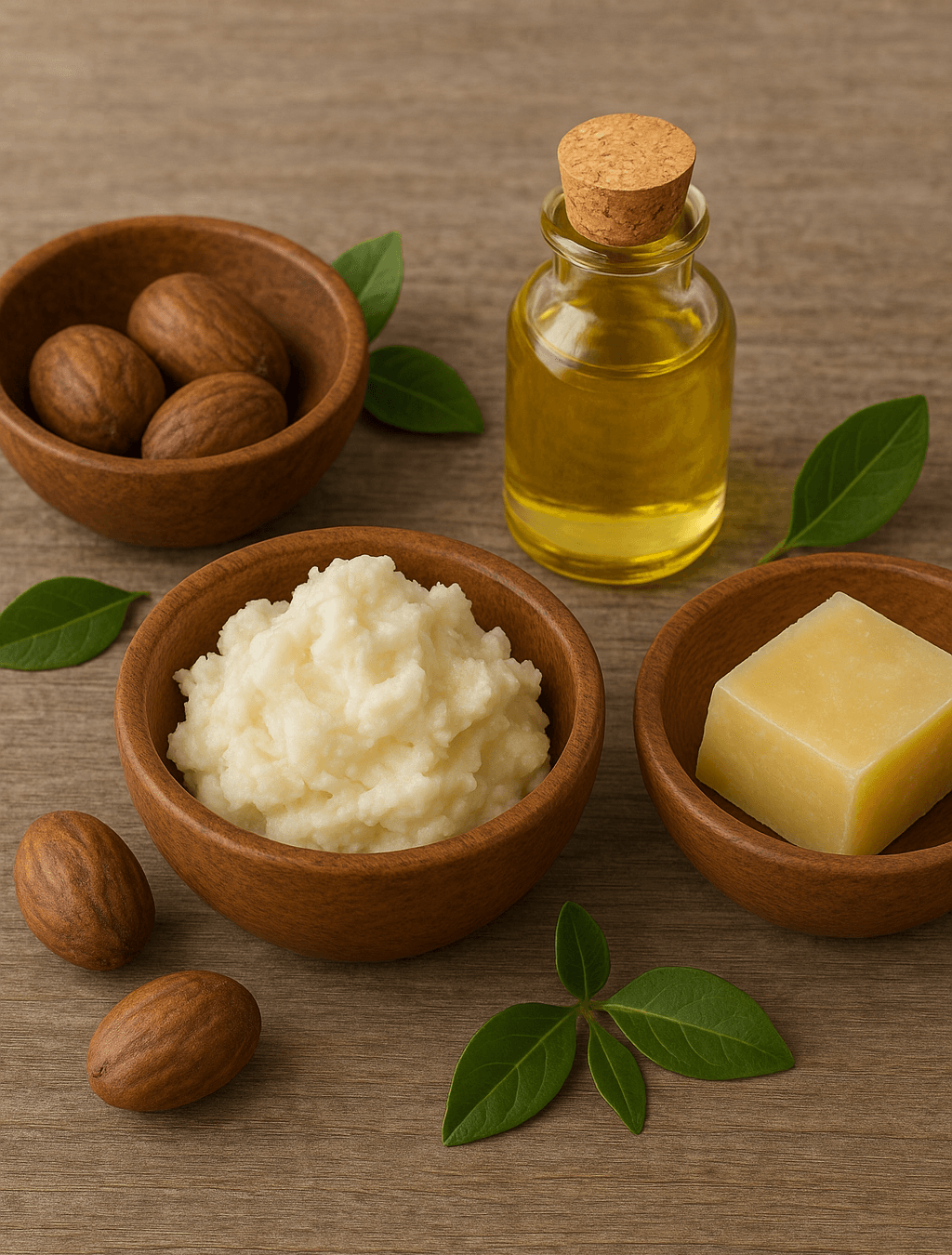
Handmade soapmakers can select different oils and butters depending on the qualities they want in the finished bar. Ingredients such as olive oil, coconut oil, shea butter, and castor oil can contribute to characteristics such as hardness, lather, and the overall feel of the soap. This also means that two natural soaps can be completely different depending on their formulation.
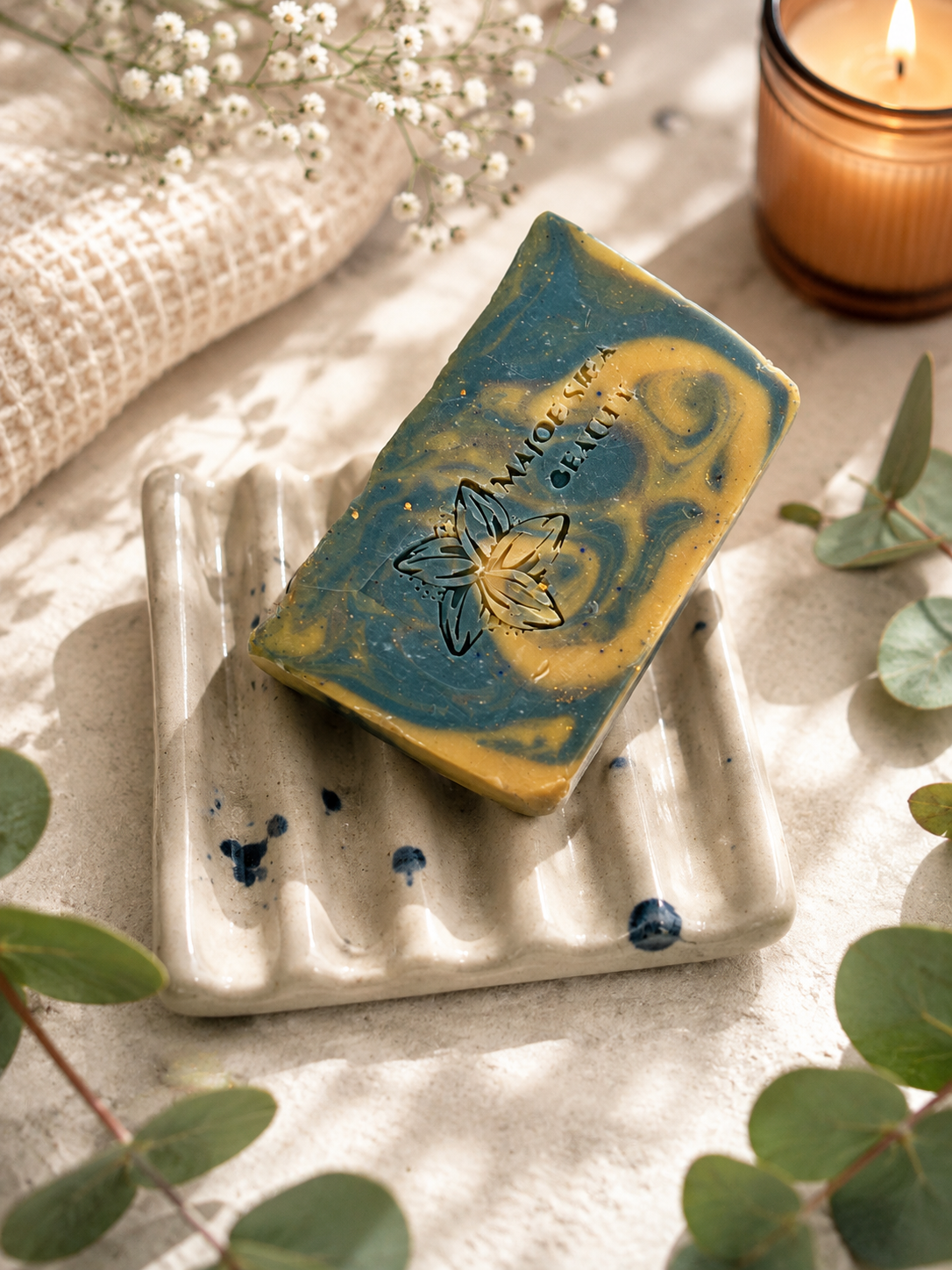
This is part of what makes soapmaking so special: each recipe can have its own character, ingredients, colours, textures, and story.

Naturally Occurring Glycerin
One of the biggest benefits of traditionally made soap is glycerin.
Glycerin is naturally produced during saponification and is a humectant, meaning it helps attract and retain moisture. In handmade soap, this naturally occurring glycerin remains part of the finished bar. That contributes to the characteristic feel many people associate with a well-formulated handmade soap.
Each ingredient plays a role within a soap formulation
Natural Soap Can Be Made With Nourishing Plant Oils and Butters


One of our favourite things about handmade soap is the freedom to formulate with a wide range of plant-derived ingredients.
Depending on the recipe, natural soap may contain ingredients such as:
- Shea butter
- Olive oil
- Coconut oil
- Castor oil
- Sunflower oil
- Rapeseed oil
- Rice bran oil
- Kokum butter
For SheaLife, shea butter is particularly meaningful. Our connection with shea began long before SheaLife itself, through memories of its traditional use in Sierra Leone. Today, it remains an important part of the story behind our approach to skincare and soapmaking.
Ingredients Chosen With Purpose
Mass-produced cleansing products are designed for consistency, efficiency, and large-scale manufacturing. Small-batch soapmaking offers a different approach. A soapmaker can develop individual formulations and choose ingredients based on the desired characteristics of each bar. Botanical ingredients, clays, plant oils, butters, and other carefully selected additions can all become part of the formulation.
Intentional Everyday Routine
Good skincare doesn't always need to involve a complicated routine. Sometimes it is simply about choosing everyday products that you genuinely enjoy using. A beautifully made bar of soap can turn something as ordinary as washing your hands or taking a shower into a small ritual.
The scent, the texture, the creamy lather, or the appearance of a hand-poured bar.
These details might seem small, but they are part of the experience of handmade products.
Natural Soap vs Conventional Cleansers: What's the Difference?
The word “natural” can sometimes be confusing because it does not automatically tell you whether a product is better, safer, or more suitable for your skin. The formulation matters much more.
Some products sold as soap are actually synthetic detergent bars, while traditional soap is produced through saponification of oils or fats. Neither category should automatically be labelled “good” or “bad.” Different cleansing products are designed for different purposes and skin preferences. For us, the appeal of traditional soap lies in the craft itself: carefully combining oils, butters, and other ingredients to create a beautiful and functional cleansing bar.
Is Natural Soap Good for Sensitive Skin?
This depends entirely on the individual product and the person using it.
“Natural” does not automatically mean hypoallergenic or suitable for sensitive skin. Natural fragrances and essential oils, for example, can contain fragrance allergens.
If you have particularly sensitive or reactive skin, always check the full ingredient list and choose products appropriate for your individual needs.
A patch test may also be useful when trying a new cosmetic product.
At SheaLife, we believe transparency matters, which is why customers should be able to see what is in a product before deciding whether it is right for them.
How to Choose a Natural Soap
Rather than choosing a soap simply because the packaging says “natural,” look a little closer.
Start with the ingredient list.
Consider whether you prefer scented or unscented products and look at the oils, butters and other ingredients used in the formulation.
You can also think about what kind of experience you enjoy. Some people love rich, creamy bars, while others prefer fresh scents, botanical ingredients or a particular type of lather.
And remember: the most expensive or complicated formula isn't necessarily the best one for you.
A good soap is ultimately one that cleans effectively and that you enjoy using.
0 Comments